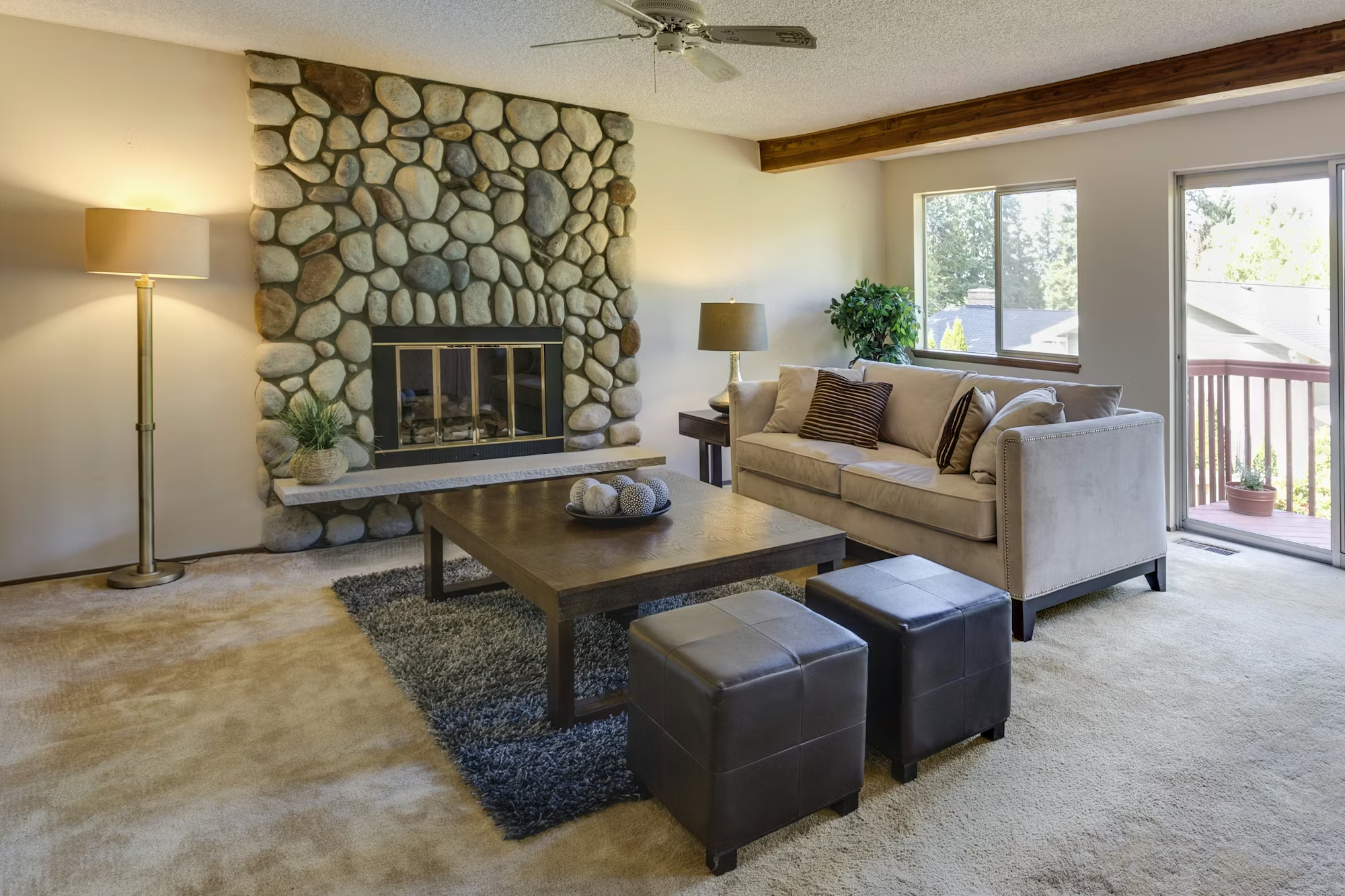
In recent years, the conversation around sustainable living has gained significant momentum, with more individuals recognizing the impact of their choices on the environment. Interior design, as an integral aspect of our daily lives, presents an opportunity to embrace eco-friendly practices and materials that contribute to a healthier planet. This article delves into the principles of sustainable interior design, offering insights and practical tips for creating a home that is both stylish and environmentally responsible.
Understanding Sustainable Interior Design
Sustainable interior design focuses on minimizing negative environmental impacts while enhancing the health and well-being of the occupants. This approach considers various aspects, including the materials used, energy efficiency, waste reduction, and overall life cycle of products. By adopting sustainable practices, homeowners can create spaces that are not only aesthetically pleasing but also contribute to a more sustainable future.
Eco-Friendly Materials
One of the foundational elements of sustainable interior design is the choice of materials. Opting for eco-friendly materials can significantly reduce your home’s environmental footprint. Here are some popular sustainable materials to consider:
1. Bamboo: As a rapidly renewable resource, bamboo is an excellent alternative to traditional hardwoods. It grows quickly, making it a sustainable option for flooring, furniture, and decorative elements.
2. Reclaimed Wood: Utilizing reclaimed wood from old buildings or furniture not only gives new life to materials but also reduces the demand for new timber. Reclaimed wood adds character and warmth to interiors, making it a popular choice for flooring, beams, and furniture.
3. Natural Fibers: For textiles, consider materials such as organic cotton, linen, and hemp. These fabrics are produced without harmful chemicals and are biodegradable, making them an eco-friendly choice for upholstery, curtains, and bedding.
4. Low-VOC Paints: Traditional paints can emit volatile organic compounds (VOCs) that are harmful to indoor air quality. Choosing low-VOC or zero-VOC paints helps create a healthier living environment while still offering a variety of color options.
5. Recycled Materials: Incorporating products made from recycled materials, such as glass, metal, and plastic, can significantly reduce waste. Items like recycled glass countertops or furnishings made from reclaimed metal contribute to a more sustainable interior.
Energy Efficiency
Another crucial aspect of sustainable interior design is energy efficiency. By designing spaces that optimize energy use, homeowners can reduce their carbon footprint and save on utility bills. Here are some strategies to enhance energy efficiency in your home:
– Natural Lighting: Maximize the use of natural light by incorporating large windows, skylights, and open floor plans. This not only reduces the need for artificial lighting but also creates a bright and inviting atmosphere.
– Energy-Efficient Appliances: When selecting appliances, look for energy-efficient models with high ENERGY STAR ratings. These appliances consume less energy, helping to lower your electricity bills and reduce environmental impact.
– Insulation: Proper insulation is essential for maintaining a comfortable indoor temperature. Investing in high-quality insulation materials can minimize heat loss in winter and reduce cooling needs in summer, contributing to overall energy efficiency.
– Smart Home Technology: Embrace technology that allows for greater control over energy use. Smart thermostats, lighting systems, and energy monitors can help optimize energy consumption and reduce waste.
Waste Reduction Practices
In addition to using sustainable materials and improving energy efficiency, waste reduction is a vital component of eco-friendly interior design. Here are some practical ways to minimize waste in your home:
– Repurpose and Upcycle: Before discarding items, consider how they can be repurposed or upcycled. Old furniture can be refinished, while glass jars can serve as storage containers or decorative accents.
– Minimalism: Embrace a minimalist approach to interior design by reducing clutter and focusing on essential items. This not only creates a more serene environment but also encourages mindful consumption.
– Composting: If you have outdoor space, consider composting organic waste. This practice reduces landfill waste while providing nutrient-rich soil for gardening.
– Responsible Disposal: Ensure that items that cannot be reused or repurposed are disposed of responsibly. Research local recycling programs and hazardous waste disposal guidelines to minimize environmental impact.
Designing with Nature
Integrating nature into your interior design not only enhances aesthetics but also promotes well-being. Biophilic design, which emphasizes the connection between humans and nature, can be achieved through various means:
– Indoor Plants: Incorporate indoor plants to improve air quality and add a natural touch to your space. Consider low-maintenance varieties like snake plants or pothos for easy care.
– Natural Materials: Use natural materials like stone, wood, and clay to create a connection to the outdoors. These materials can be incorporated into flooring, countertops, and decorative elements.
– Nature-Inspired Colors: Choose a color palette inspired by nature, incorporating earthy tones such as greens, browns, and blues. These colors can create a calming atmosphere that promotes relaxation.
– Views of Nature: If possible, design spaces to offer views of outdoor landscapes. This connection to nature can enhance well-being and create a more inviting environment.
Creating a Sustainable Home
Transforming your home into a sustainable sanctuary doesn’t have to happen overnight. Start by incorporating one or two sustainable practices at a time and gradually build upon them. Here are steps to help guide your journey:
1. Assess Your Space: Take stock of your current home and identify areas where you can improve sustainability. This may include replacing old appliances, updating light fixtures, or choosing eco-friendly decor.
2. Set Goals: Establish realistic sustainability goals based on your budget and timeline. Whether it’s committing to using sustainable materials in your next renovation or reducing energy consumption, having clear objectives can keep you focused.
3. Educate Yourself: Stay informed about sustainable practices and products. Research eco-friendly materials, energy-efficient technologies, and waste reduction methods to make informed choices.
4. Involve Your Family: Encourage your family members to participate in creating a sustainable home. Discuss the importance of eco-friendly practices and involve everyone in decision-making.
5. Celebrate Progress: Acknowledge and celebrate the small changes you make along the way. Each step towards sustainability contributes to a healthier planet and a more fulfilling home.
Conclusion
Embracing sustainable living in interior design is not only beneficial for the environment but also enhances the quality of life for inhabitants. By selecting eco-friendly materials, improving energy efficiency, and incorporating nature into your home, you can create spaces that reflect your values and promote a healthier lifestyle. As we move towards a more sustainable future, the choices we make in our homes play a crucial role in shaping a better world for generations to come.